Taxidermy workshops offer wildlife lessons at Saudi falconry exhibition
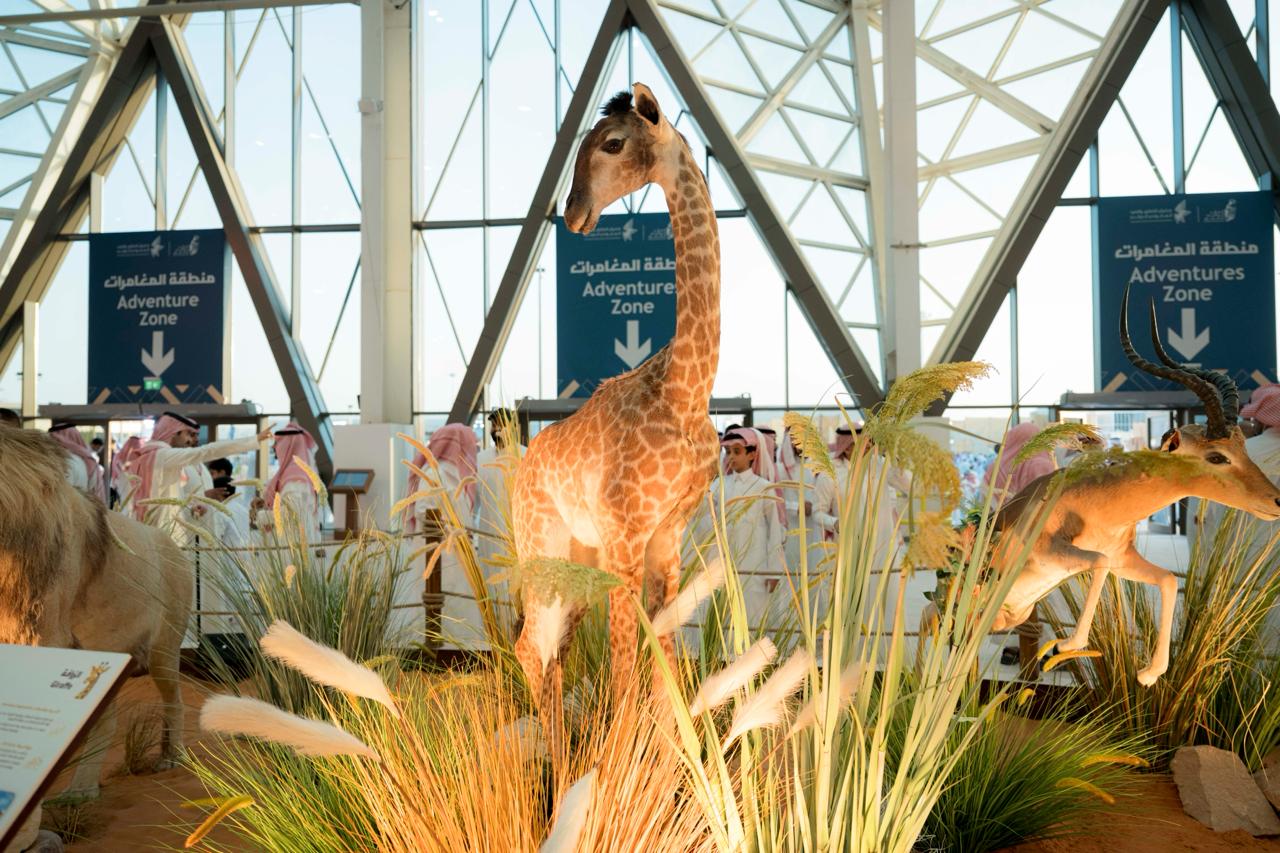
RIYADH, SAUDI ARABIA, October 6, 2026 /EINPresswire.com/ — Workshops teaching taxidermy are attracting visitors to the Saudi International Falcons and Hunting Exhibition 2026, where a dedicated pavilion combines preserved animal displays with information about wildlife and natural habitats.
The Taxidermy Pavilion gives visitors an opportunity to see preserved animals up close and learn about their characteristics, geographic distribution and diets.
Organized by the National Center for Falcons, the exhibition is being held at the Riyadh Exhibition and Convention Center in Malham, north of the Saudi capital, and runs through Oct. 10.
An entrance designed to resemble rock formations leads into the pavilion, where each specimen is accompanied by information in Arabic and English about the animal and its life in the wild.
Among the animals on display is the Asiatic lion, which once lived in Saudi Arabia but had disappeared from the Kingdom by the late 19th century because of environmental changes and human pressures, including hunting, according to information presented at the pavilion.
Rock carvings found in the Prince Mohammed bin Salman Royal Reserve document the lion’s historical presence in the area, while reintroducing the species remains a future goal, the display said.
The pavilion also features the Arabian striped hyena, which is found across the Arabian Peninsula, including Saudi Arabia.
The animal has grayish, straw-colored fur with dark stripes and large ears. It is mostly active at night and feeds primarily on carrion, as well as fruit, insects and small animals.
Another specimen is the Barbary sheep, also known as the aoudad, a mammal native to the mountainous and rocky regions of North Africa.
Adapted to hot and dry conditions and rugged terrain, the animal has curved horns in both males and females and feeds on grasses, shrubs and leaves.
The pavilion’s information panel notes that the Barbary sheep is not native to Saudi Arabia or the Arabian Peninsula.
A virtual reality area adds an interactive element to the pavilion, allowing visitors to explore wildlife and natural habitats through a digital experience.
SFC
SFC
email us here
Legal Disclaimer:
EIN Presswire provides this news content “as is” without warranty of any kind. We do not accept any responsibility or liability
for the accuracy, content, images, videos, licenses, completeness, legality, or reliability of the information contained in this
article. If you have any complaints or copyright issues related to this article, kindly contact the author above.

Media gallery