
NORTH ST PAUL, MN – November 24, 2026 – PRESSADVANTAGE –
The Twin Cities climate station set a rainfall record for November 3, 2026, as a multi-day storm moved across Minnesota. The wet weather offers a timely reason to consider the conditions homeowners may encounter on outdoor decks. Wet boards, leaves, and steps can change the way a familiar route feels underfoot, particularly when people are moving between the house and yard.
The storm brought repeated rounds of rain to the state from November 2 through 5. The Minnesota Department of Natural Resources describes the system as likely the wettest November storm on record for the state. Rosebud Decks & Porches provides deck construction and repair services in North St. Paul and the surrounding area.
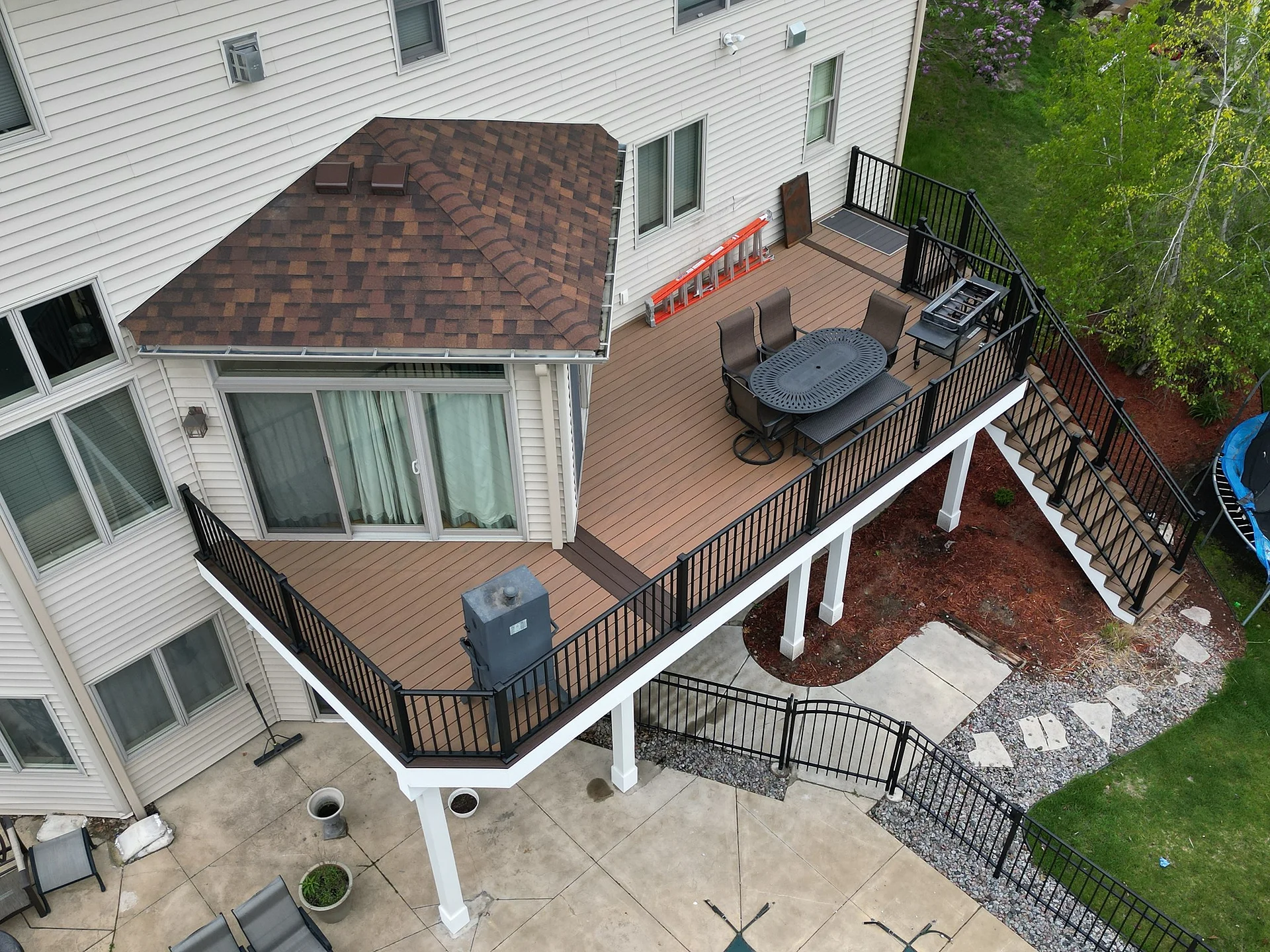
A deck does not have to look damaged to become slippery. Rain can leave water on walking surfaces and stair treads, while fallen leaves can hide the edge of a step or collect where people enter from the house. The conditions can be easy to overlook when a deck is used briefly to take out a pet, reach a grill, or bring something inside.
Both wood and composite surfaces need attention in wet weather. Decking manufacturer Trex notes that its boards, like many outdoor walking surfaces, can become slick in rain, ice, or snow. The texture and condition of the actual surface matter, so a material choice alone should not be treated as a guarantee of traction in every season.
Keeping a familiar path clear is one practical starting point. Leaves and other loose debris can collect on the deck surface and around steps, especially where a railing or furniture interrupts the walking route. When conditions are safe, clearing those areas helps keep the surface and stair edges visible. Furniture, planters, and stored items also deserve a look if they make the route to the door narrower or harder to navigate.
Lighting matters when rain or shorter days make it difficult to see a change in level. A light near the door may illuminate the landing while leaving the lower steps in shadow. Homeowners can look at the whole route, from the threshold to the bottom of the stairs, and notice where a tread or an obstruction is difficult to see. Working handrails and a clear place to hold them are important on steps used in wet conditions.
Surface traction and the condition of the structure are different concerns. A slick board may simply be wet, while a loose tread, moving railing, soft wood, or a board that shifts underfoot calls for a closer look. Rainfall alone does not establish that a deck has structural damage. If a deck or stairway appears unstable, people should stay off it and arrange an assessment rather than assume the problem will resolve when the surface dries.
A professional inspection can include the areas beneath the walking surface as well as the parts seen from above. This includes the connection to the house, the supports, stairs, and railings. These parts have different roles, and a surface that looks sound does not reveal every condition underneath.
Care also depends on the decking material. Before using a cleaner, brush, or ice-removal product, homeowners can check the instructions for their particular boards. What is suitable for one surface may not be appropriate for another, and fall rain can be followed by colder conditions that introduce a different footing concern.
A wet surface and an unstable railing call for different responses. Once the immediate walking area is clear, homeowners who notice loose steps or other concerns can contact Rosebud Decks & Porches to discuss the condition of the deck before relying on it again, particularly where the damage affects a frequently used route.
###
For more information about Rosebud Decks & Porches, contact the company here:
Rosebud Decks & Porches – North St. Paul
Joseph Becker
jbecker@rosebudconstruction.com
2275 McKnight Rd N #8, North St Paul, MN 55109, United States